
Health at Scale: Global Leadership Defines Real Estate in 2026
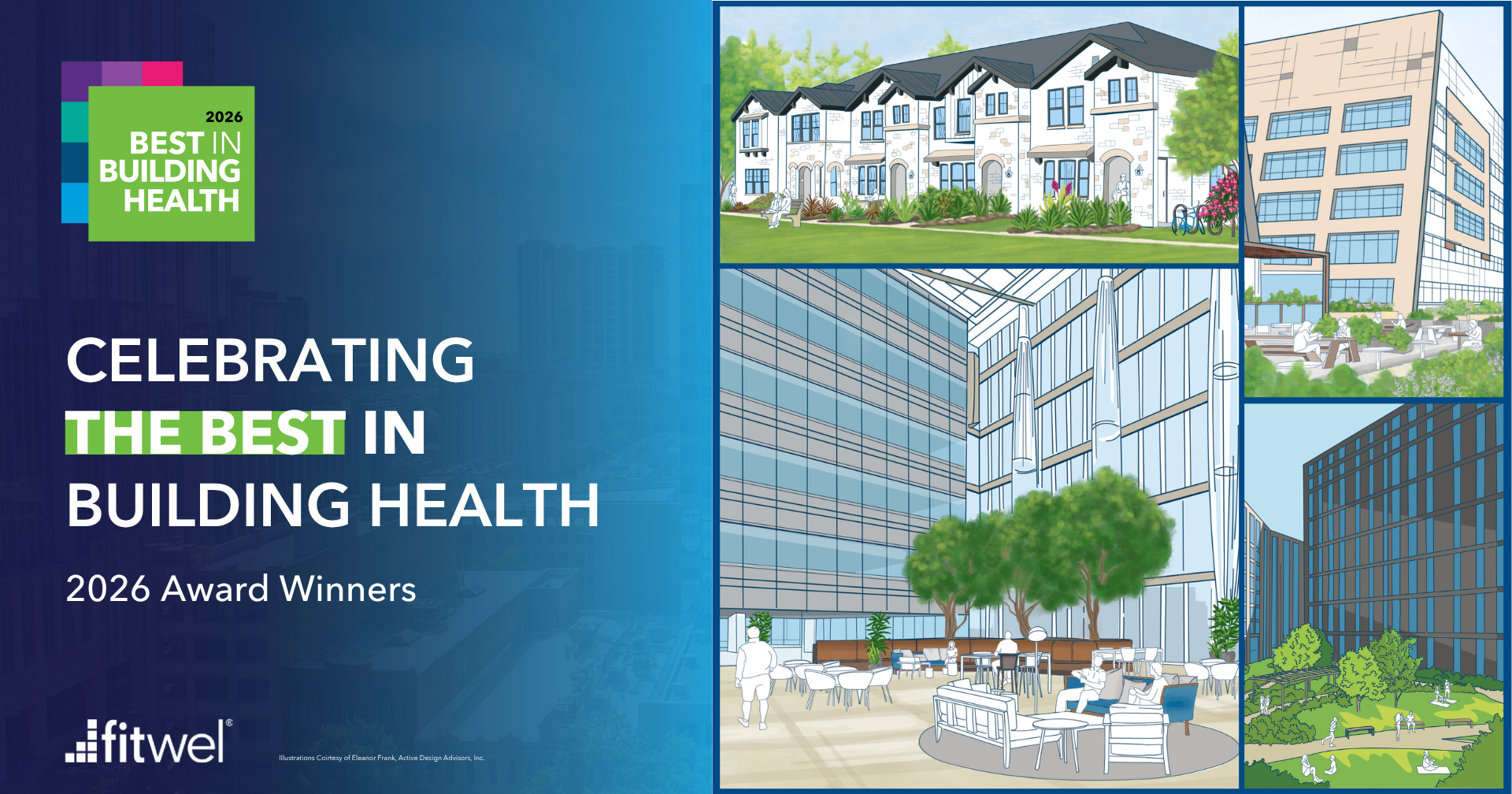
As we announce the 2026 Best in Building Health winners, I am struck by how far this movement has come. What began as a push to integrate health into individual buildings has evolved into something far more powerful: health at scale.
This year’s winners demonstrate that prioritizing health is no longer a differentiator reserved for early adopters, it is a defining characteristic of market leadership. Across regions, asset types, and portfolios, health is being embedded into core business strategy. The conversation has shifted from why health matters to how quickly organizations can scale it.
A Global Movement, Defined by Performance
The landscape in 2026 reflects this transformation.
The United States continues to lead in overall volume and recertification, with New York emerging as a hub of high-performing commercial and community projects. Yet the story is unmistakably global. The United Kingdom is showing consistent strength across multifamily, senior housing, and multi-tenant assets. In the Middle East, the United Arab Emirates, led by Aldar, is redefining what large-scale health implementation looks like, delivering community and site certifications that impact tens of thousands of occupants and setting new benchmarks for acreage and portfolio commitment.
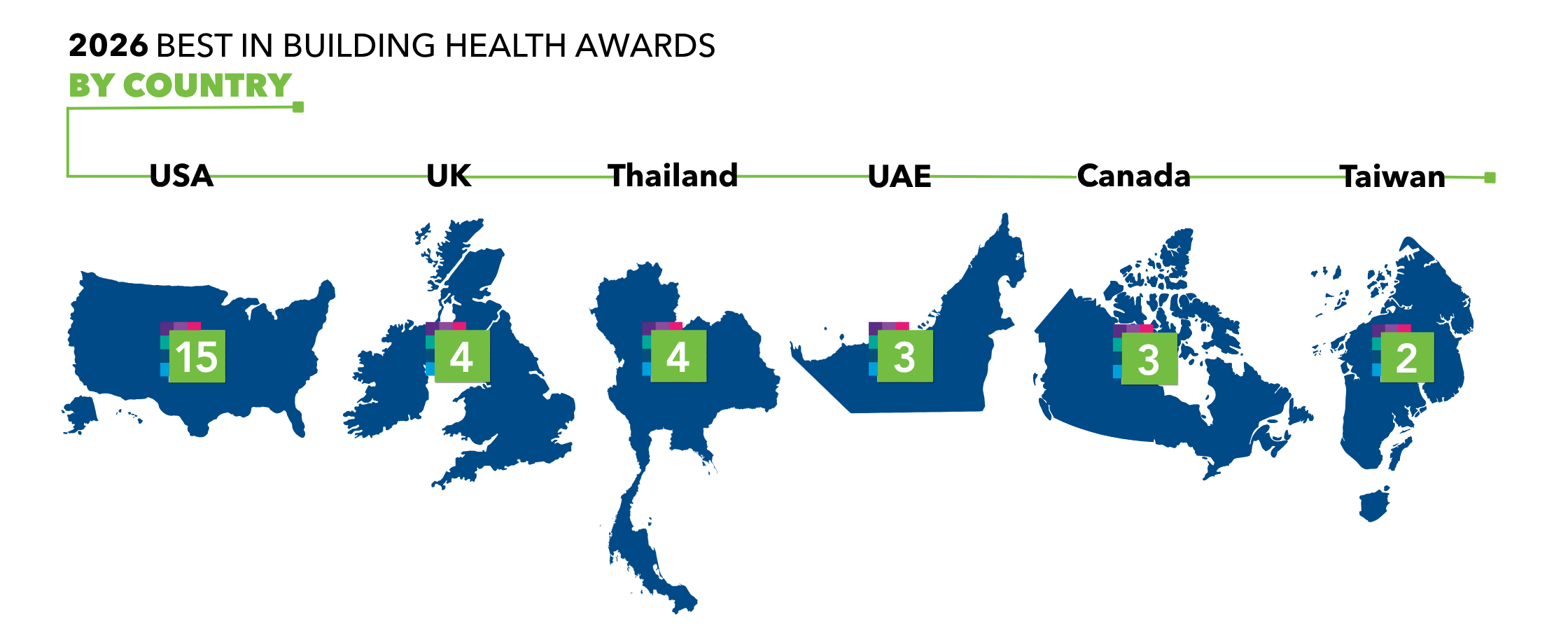
Across APAC, Thailand has emerged as a volume and typology leader, spanning retail, healthcare, and large-scale mixed-use projects, including the highest square footage certified in 2025. Meanwhile, Taiwan continues to raise the bar for technical excellence, delivering the highest-scoring built and design projects globally.
International markets are not just participating, they are setting performance thresholds.
Recognizing Leadership at Scale
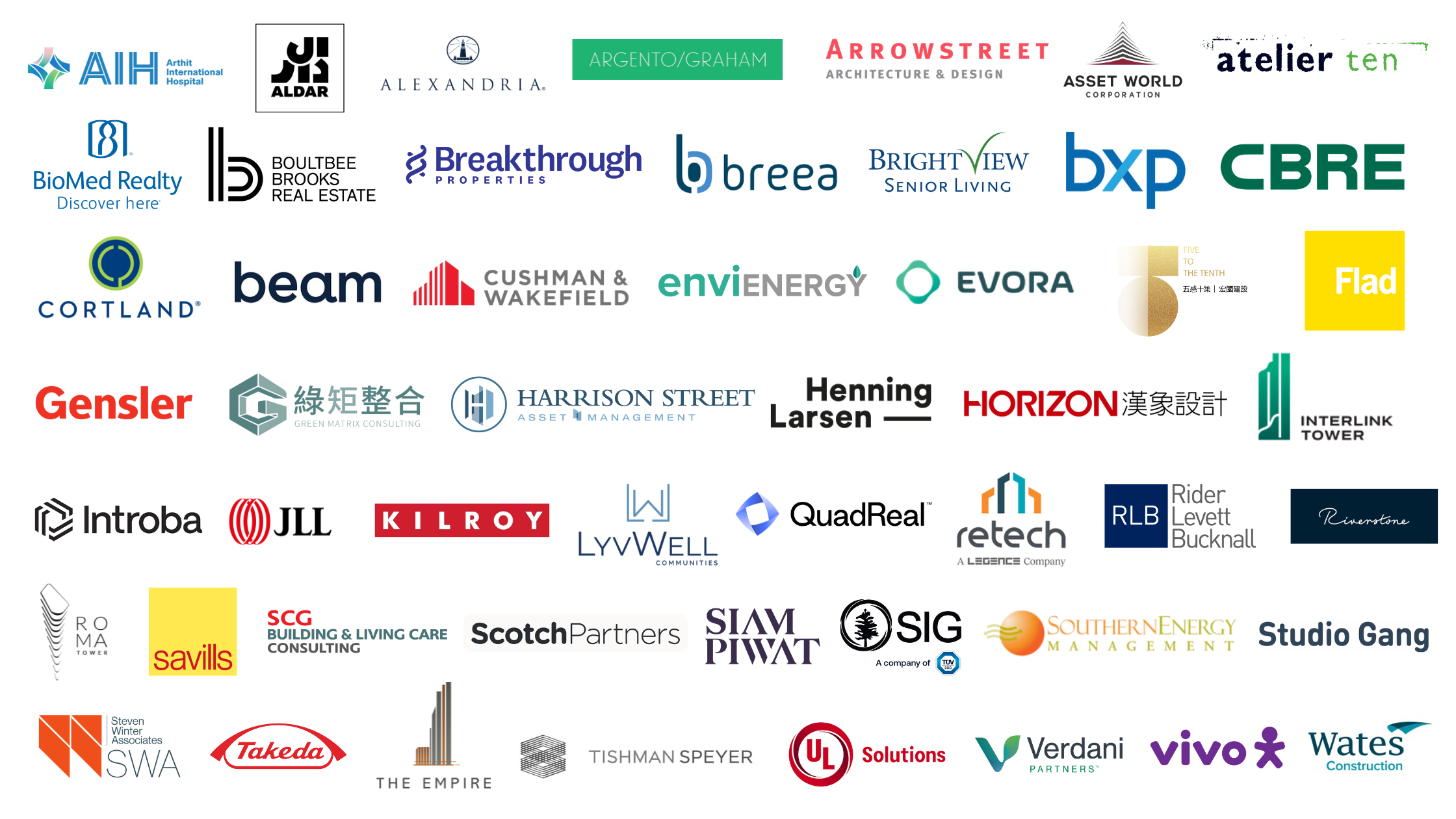
One of the key ways we celebrate and accelerate this progress is through the Best in Building Health (BiBH) Awards. These awards recognize organizations that are proving, through measurable outcomes, that health drives value—across tenant satisfaction, risk mitigation, climate resilience, and financial performance.
From Certification to Commitment
At the same time, we are witnessing a powerful sign of market maturity: recertification momentum.
Organizations are not stopping at initial certification. They are maintaining, improving, and expanding their commitments. Projects are raising star levels. Portfolios are adopting health strategies across entire asset classes.
Repeat leaders such as Harrison Street, Aldar, Gensler, and others are demonstrating that long-term value is created through consistency, scale, and operational integration.
Health Is Infrastructure
This year’s winners reflect a market that understands an essential truth: investing in health is investing in durability. In an environment shaped by regulatory shifts, climate risk, and evolving tenant expectations, healthy buildings and communities are better positioned to perform over time.
Health is no longer a feature. It is infrastructure.
It is no longer a trend. It is strategy.
And increasingly, it is global.
To our 2026 winners: thank you for leading with vision and discipline. You are proving that health-centered real estate is not just possible; it is profitable, scalable, and essential to the future of our industry.
Together, we will continue to advance this transformation, building places where people thrive, and portfolios that endure.
With gratitude,

Joanna Frank
President and CEO | Center for Active Design
President and CEO | Active Design Advisors, Inc. (Adai)
Search Blog Articles
By Category
- Adai News
- Best in Building Health
- Certification
- Conferences
- ESG
- Featured
- Fitwel Ambassadors
- Fitwel Champions
- Fitwel Platform
- Fitwel Providers & Partners
- From the CEO
- Healthy Building Profiles
- Podcasts
- Press & Media
- Publications & Reports
- Research Insights
- Strategies & Solutions
- Viral Response Module
- Webinars
By Month
- August 2026
- April 2026
- March 2026
- February 2026
- December 2025
- November 2025
- October 2025
- September 2025
- July 2025
- May 2025
- April 2025
- March 2025
- February 2025
- January 2025
- December 2024
- November 2024
- October 2024
- September 2024
- August 2024
- July 2024
- June 2024
- May 2024
- April 2024
- March 2024
- February 2024
- January 2024
- December 2023
- November 2023
- October 2023
- September 2023
- August 2023
- July 2023
- June 2023
- May 2023
- April 2023
- March 2023
- February 2023
- January 2023
- December 2022
- November 2022
- October 2022
- September 2022
- June 2022
- May 2022
- April 2022
- March 2022
- February 2022
- January 2022
- December 2021
- May 2021
- April 2021
- March 2021
- October 2020
- July 2020
- May 2020